Thursday, December 01, 2005

What's In Season - December


Local seasonal foods are tastier, fresher and more nutritious.
Why? It’s because the produce has been harvested in the last fews days and has only travelled a short distance to market. This means less packaging, processing and refrigeration. All good for the environment (no flying in food from all corners of the planet)and your health.

Here is a list of fruits and veggies that are in season for December:

  • Apples
  • Brussels sprouts
  • Chicory
  • Cranberries
  • Dates
  • Grapefruit
  • Greens (cooking)
  • Kumquats
  • Leeks
  • Oranges
  • Parsnips
  • Pears
  • Persimmons
  • Pomegranates
  • Shallots
  • Star fruit
  • Sweet potatoes
  • Tangelos
  • Tangerines
  • Winter squash

Great all year:

  • Avocados
  • Bananas
  • Broccoli
  • Cabbage
  • Carrots
  • Cauliflower
  • Celery
  • Garlic
  • Ginger
  • Kiwifruit
  • Lemons
  • Limes
  • Mushrooms
  • Onions
  • Pineapple
  • Potatoes
  • Radishes
  • Scallions
  • Snow Peas
  • Spinach
  • Sprouts

Note: If you live in and area with favorable growing conditions, many of these vegetables are available to you throughout the seasons.

Wednesday, November 09, 2005

What's In Season - November


Local seasonal foods are tastier, fresher and more nutritious.
Why? It’s because the produce has been harvested in the last fews days and has only travelled a short distance to market. This means less packaging, processing and refrigeration. All good for the environment (no flying in food from all corners of the planet)and your health.

Here is a list of fruits and veggies that are in season for November:

  • Apples
  • Bell peppers
  • Brussels sprouts
  • Chicory
  • Cranberries
  • Dates
  • Grapes
  • Greens (cooking)
  • Kumquats
  • Leeks
  • Lettuce (leaf and head)
  • Okra
  • Parsnips
  • Pears
  • Persimmons
  • Pomegranates
  • Pumpkins
  • Shallots
  • Star fruit
  • Sweet potatoes
  • Tangelos
  • Tangerines
  • Turnips
  • Watercress
  • Winter squash

Great all year:

  • Avocados
  • Bananas
  • Broccoli
  • Cabbage
  • Carrots
  • Cauliflower
  • Celery
  • Garlic
  • Ginger
  • Kiwifruit
  • Lemons
  • Limes
  • Mushrooms
  • Onions
  • Pineapple
  • Potatoes
  • Radishes
  • Scallions
  • Snow Peas
  • Spinach
  • Sprouts

Note: If you live in and area with favorable growing conditions, many of these vegetables are available to you throughout the seasons.

Saturday, October 01, 2005

What's In Season - October


Local seasonal foods are tastier, fresher and more nutritious.
Why? It’s because the produce has been harvested in the last fews days and has only travelled a short distance to market. This means less packaging, processing and refrigeration. All good for the environment (no flying in food from all corners of the planet)and your health.

Here is a list of fruits and veggies that are in season for October:

  • Apples
  • Beets
  • Brussels sprouts
  • Chicory
  • Cranberries
  • Dates
  • Figs
  • Grapes
  • Kumquats
  • Leeks
  • Lettuce (leaf and head)
  • Okra
  • Oranges
  • Parsnips
  • Pears
  • Peppers
  • Persimmons
  • Pomegranates
  • Pumpkins
  • Raspberries
  • Shallots
  • Star fruit
  • Turnips
  • Watercress
  • Winter squash

Great all year:

  • Avocados
  • Bananas
  • Broccoli
  • Cabbage
  • Carrots
  • Cauliflower
  • Celery
  • Garlic
  • Ginger
  • Kiwifruit
  • Lemons
  • Limes
  • Mushrooms
  • Onions
  • Pineapple
  • Potatoes
  • Radishes
  • Scallions
  • Snow Peas
  • Spinach
  • Sprouts

Note: If you live in and area with favorable growing conditions, many of these vegetables are available to you throughout the seasons.

Thursday, September 29, 2005

Organic Earth


The earth is our nurturer, giving us life, land, and sustenance. Because of population growth, the demand for her gifts is ever increasing and simply living from day to day can now have a negative impact on the balance of nature. The byproduct of many needs is the release of toxic substances into the water, air, and soil. One way to minimize your impact on the earth is to try and use organic products as much as possible and to garden organically yourself if you have space. Though organic fruits and vegetables have become popular, the term "organic" can apply to any product produced from natural substances, including cloth and beauty items. Organic farming promotes a healthy earth, clean water, and healthy people. Organic products are created using natural ingredients that were grown without chemical pesticides and fertilizers; haven't been treated with preservatives, hormones, or medicines; and don't contain artificial additives. Using organic products whenever possible not only helps lessen your exposure to harmful chemicals but also helps the health of mother earth as well. Organic farming uses helpful insects to combat pests and natural fertilizers like compost and manure, or crop rotation, to keep vital nutrients in the soil. Healthy soil contains microbes beneficial to plants and thick earthy hummus that retains water, reducing the need for artificial irrigation and the rate of top soil erosion. The benefits of using organic products go far beyond health concerns. Organic farming promotes necessary biodiversity through seed collecting and by encouraging wildlife to thrive alongside humans. We have only just recently begun to understand the effects of chemical-intensive growing on the environment. Organic farming of vegetables, cotton, or any other crop, is a gentle way to reap the earth's bounty and is conducive to a healthy ecosystem. Sometimes the results are slightly more expensive, but the environmental and health costs can be much higher and increased demand for such products can help to lower prices. Your use of organic products encourages a world where birds and insects help control pests, wildlife is an essential part of farming, and nutrition takes precedence over mass production.

Taken from DailyOM - A daily source for nurturing your mind, body & spirit. Every weekday, DailyOM will send you inspirational thoughts for a happy, healthy and fulfilling day.

Friday, September 16, 2005

To-Go Ware


To-Go Ware® Utensil Set

This utensil set is a toolkit to help reduce your ecological footprint and keep you connected to the world. Enjoy eating with organic utensils made of bamboo, which is highly durable and can be grown and harvested sustainably. "Throwaway" plastic cutlery consists of petrochemicals that create dioxins and other toxic chemicals harmful to the environment, as well as contributing to wasteful habits that feed the landfill rather than nourishing our lives. In addition, the holder itself has been produced by WEAVE, a women's cooperative on the Thai-Burma border. By purchasing this utensil set, you will have contributed to their advancement and empowerment, and made a positive impact to global community. Now that is hip!

For more information go to: to-goware.com

Thursday, September 01, 2005

What's In Season - September


Local seasonal foods are tastier, fresher and more nutritious.
Why? It’s because the produce has been harvested in the last fews days and has only travelled a short distance to market. This means less packaging, processing and refrigeration. All good for the environment (no flying in food from all corners of the planet)and your health.

Here is a list of fruits and veggies that are in season for September:

  • Apples
  • Arugula
  • Beans
  • Beets
  • Corn
  • Cucumbers
  • Dates
  • Eggplant
  • Fennel
  • Figs
  • Grapes
  • Lettuce (head and leaf)
  • Mangoes
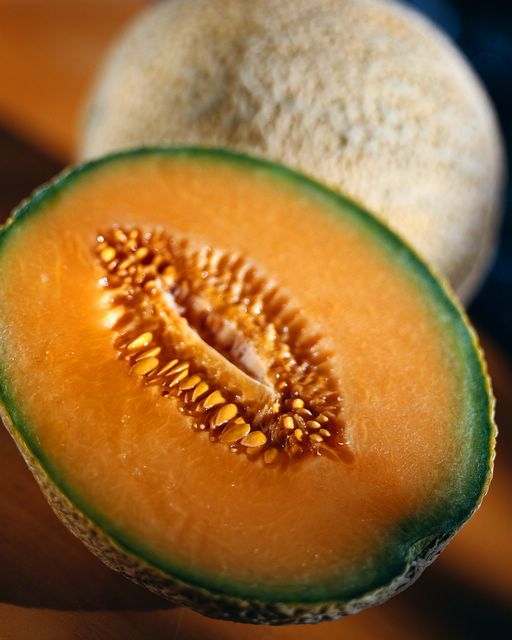
  • Melons
  • Okra
  • Pears
  • Peppers
  • Plums
  • Pumpkins
  • Raspberries
  • Shallots
  • Sorrel
  • Summer squash
  • Tomatoes
  • Watercress
  • Watermelon
  • Winter squash

Great all year:

  • Avocados
  • Bananas
  • Broccoli
  • Cabbage
  • Carrots
  • Cauliflower
  • Celery
  • Garlic
  • Ginger
  • Kiwifruit
  • Lemons
  • Limes
  • Mushrooms
  • Onions
  • Pineapple
  • Potatoes
  • Radishes
  • Scallions
  • Snow Peas
  • Spinach
  • Sprouts

Note: If you live in and area with favorable growing conditions, many of these vegetables are available to you throughout the seasons.

Tuesday, August 30, 2005

A Coca-Cola Story


Once upon a time (in 2001, to be specific), the Coca-Cola corporation built a bottling plant in a small and remote Indian village in the state of Kerala. In exchange for sucking vast amounts of water out of the local land, the mighty corporation promised to bring the people great wealth. But within a few short months, the village people began to notice their wells were running dry, so they complained to the corporation. Coca-Cola calmed the concerns of the people and attempted to win back their favor by giving them vast amounts of free fertilizer, saying it would grow bountiful crops beyond their wildest dreams. After several years of use, we arrive at the present day when the village people have suddenly discovered the fertilizer is actually the bottling plant's waste sludge and is laden with cadmium, a highly toxic, cancer-causing heavy metal. The village soil and water are now too heavily contaminated to safely occupy human life, so the plant was shut down last week. Moral of the story: Don't drink Coke..........drink Pepsi! Just kidding, Pepsi is actually in the process of being thrown out of India for similar crimes, as well.

For more information go to commondreams.org or organicconsumers.org

Monday, August 22, 2005

Healthy Ways to Cook


Even if you use the healthiest of ingredients in your recipes, certain cooking techniques can literally eradicate the goodness from foods. Try the following techniques for healthy cooking:

Avoid using charcoal or gas grills, which can increase the production of cancer-causing chemicals. Use an electric grill instead.

Steam your vegetables. Boiling can deplete vegetables of many of their nutrients, while steaming removes far less of the good stuff, and leaves vegetables with a wonderful taste and texture.

To reduce the amount of fat when cooking, use broiling, baking and roasting pans (drizzle your items with extra-virgin olive oil instead of drowning them in butter or margarine). Chinese steamers or stir-fry pans are also good options.

Never microwave anything in plastic wrap or plastic containers.

Replace all saturated fats in your kitchen with extra-virgin olive oil, canola oil, or grapeseed or walnut oils - these monounsaturated fats are far healthier than their saturated relatives.

For more information on heathy cooking tips go to: drweil.com

Monday, August 01, 2005

What's In Season - August


Local seasonal foods are tastier, fresher and more nutritious.
Why? It’s because the produce has been harvested in the last fews days and has only travelled a short distance to market. This means less packaging, processing and refrigeration. All good for the environment (no flying in food from all corners of the planet)and your health.

Here is a list of fruits and veggies that are in season for August:

  • Apples
  • Apricots
  • Arugula
  • Basil
  • Beans
  • Beets
  • Blueberries
  • Corn
  • Cucumbers
  • Dates
  • Eggplant
  • Fennel
  • Figs
  • Grapes
  • Mangoes
  • Melons
  • Nectarines
  • Okra
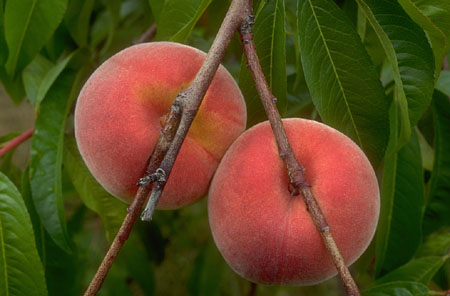
  • Peaches
  • Peppers
  • Plums
  • Raspberries
  • Sorrel
  • Summer squash
  • Tomatoes
  • Watermelon

Great all year:

  • Avocados
  • Bananas
  • Broccoli
  • Cabbage
  • Carrots
  • Cauliflower
  • Celery
  • Garlic
  • Ginger
  • Kiwifruit
  • Lemons
  • Limes
  • Mushrooms
  • Onions
  • Pineapple
  • Potatoes
  • Radishes
  • Scallions
  • Snow Peas
  • Spinach
  • Sprouts

Note: If you live in and area with favorable growing conditions, many of these vegetables are available to you throughout the seasons.

Thursday, July 14, 2005

Slow Walks Burn More Calories


Results of a small study published in the May 2005 issue of Obesity Research and conducted at the University of Colorado at Boulder found that obese adults burn more calories per mile when they stroll than when they walk at a faster pace. What’s more, the researchers say that a more leisurely pace can benefit the obese more than the brisk walking usually recommended as exercise for former couch potatoes by easing stress on the joints, thus lowering the risk of arthritis and injuries. The Colorado researchers studied 20 obese men and women and 20 men and women of normal weight as they walked a specified course at different speeds. The investigators found that the obese burned more calories when they walked at a slower pace for a longer period than they did when they walked briskly. The same team also found that, when performing identical exercises, obese individuals burned only 10 percent more calories than normal weight subjects did even though their weight was much more than 10 percent higher.

For more information on this article go to: webmd.com